Beta Testing
Beta Testing is a crucial phase where an app is distributed to a select audience to identify issues before its public release.
What is Beta Testing?
Beta Testing in mobile marketing involves releasing a nearly finished product to a targeted group of users who represent the app's potential customer base. These users can experience the app in real-world conditions and provide feedback on its usability, functionality, design, and any bugs or issues they encounter. This process allows developers and marketers to make necessary adjustments and improvements, ensuring the app's stability, user satisfaction, and overall success upon launch.
This testing phase is instrumental in ensuring that the app meets its intended functionality and user experience standards, providing invaluable insights into performance and user behavior. If you consider the user journey as a funnel, then Beta Testing is like a final step to ensure the quality of the whole process.
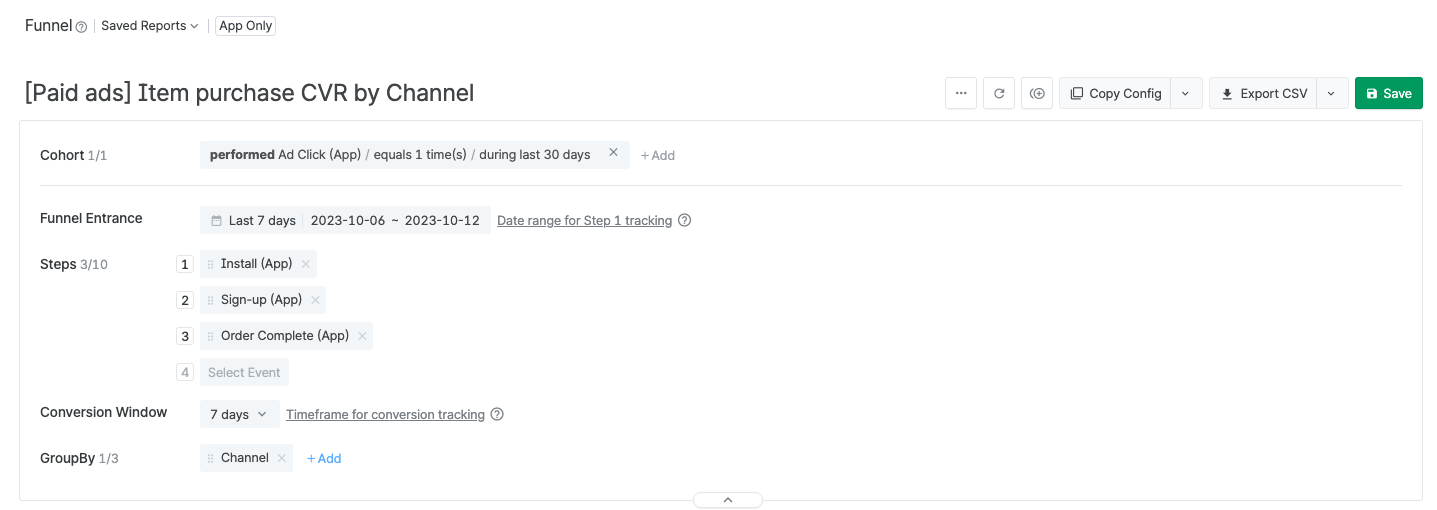
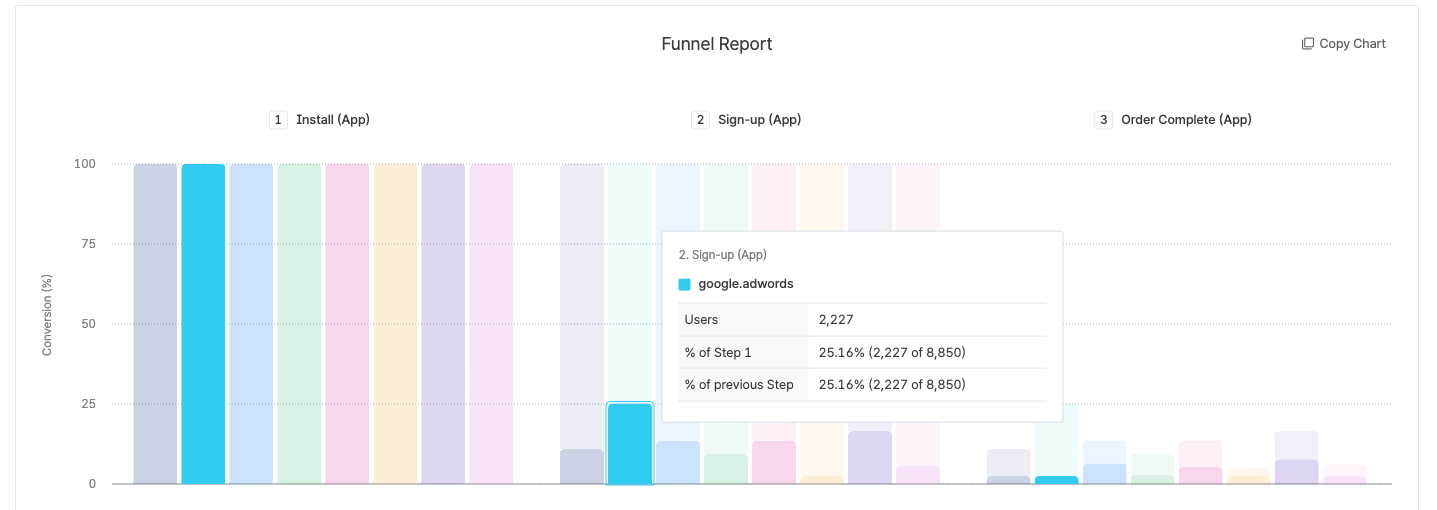
For a better understanding of the Funnel analysis, especially in the gaming industry, Airbridge offers the Funnel Report feature that can not be missed!
Types of Beta Testing
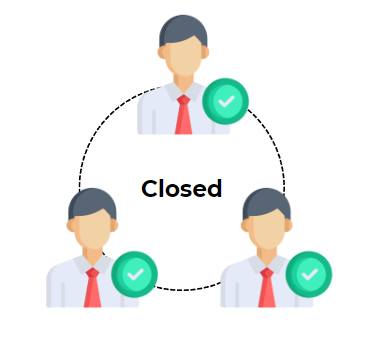
Closed Beta Testing: It is also known as a private beta. Access is limited to a specific group of invited users, often to ensure confidentiality and focused feedback.
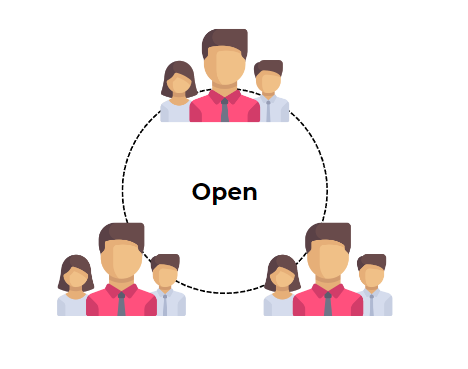
Open Beta Testing: It is also known as a public beta. The app is made available to a broader audience, allowing for a wide range of feedback and usage scenarios.
Furthermore, there are some other types of Beta Testing that you can refer to:
- Traditional beta testing. Users from the target market test the product, and their feedback is incorporated to improve the product quality.
- Focused beta testing. Testers evaluate a specific feature, component or functionality of the new or revised software application.
- Technical beta testing. The organization's employees, or groups of employees, test the product and provide feedback to the development team.
When to use Beta Testing?
Beta Testing should be employed when the app is feature-complete but might still have bugs. It's a critical step after in-house testing (alpha testing) and before the final release, providing a safe environment to catch any lingering issues and gather user feedback on the app's performance and user experience.
Incorporating Beta Testing into the development and marketing strategy of mobile apps is essential for ironing out any kinks and ensuring the app's success in a competitive market. By carefully analyzing feedback and metrics from Beta Testing, mobile marketers can fine-tune their strategies, leading to improved user acquisition and retention rates.
Beta Testing and Soft Launch
In mobile marketing, both Soft Launch and Beta Testing are strategies used to evaluate and refine a mobile application before its full public release, but they serve different purposes and target different audiences.
Beta Testing
- Purpose: Beta Testing primarily focuses on identifying bugs, technical issues, and usability problems within an app. It's an opportunity to gather user feedback on the app's performance, functionality, and overall user experience.
- Audience: It usually involves a limited, selected group of users outside the company, often enthusiasts or people from a specific user community who have signed up to test beta versions. These users are aware that the product is not in its final form and may encounter issues.
- Scope: The scope of beta testing is often technical, with a strong focus on fixing bugs, improving stability, and ensuring the app works as intended across different devices and operating systems.
Soft Launch
- Purpose: A Soft Launch is a strategy used to release the app to a restricted audience or geographic area before making it available worldwide. The goal is to gather data on user behavior, app performance, and market acceptance in a more controlled environment. This approach helps in optimizing marketing strategies, monetization tactics, and overall app performance.
- Audience: The audience for a Soft Launch is typically broader than for beta testing and may include general users in a specific geographic location or demographic. These users are not necessarily aware that they are part of a test and expect a fully functioning product.
- Scope: The scope of a Soft Launch extends beyond technical aspects, including marketing strategies, user engagement, retention tactics, and revenue models. It's an opportunity to refine the app based on real-world usage data before a full-scale launch.
Soft Launch is more often used in the mobile marketing and gaming industry, so do not hesitate to click Soft Launch for more information.
Put these concepts into practice
See how Airbridge helps teams implement mobile attribution strategies at scale.